24th Feb 2026
Paddling Basics: How to Start Stand-Up Paddleboarding in New Zealand (2026)
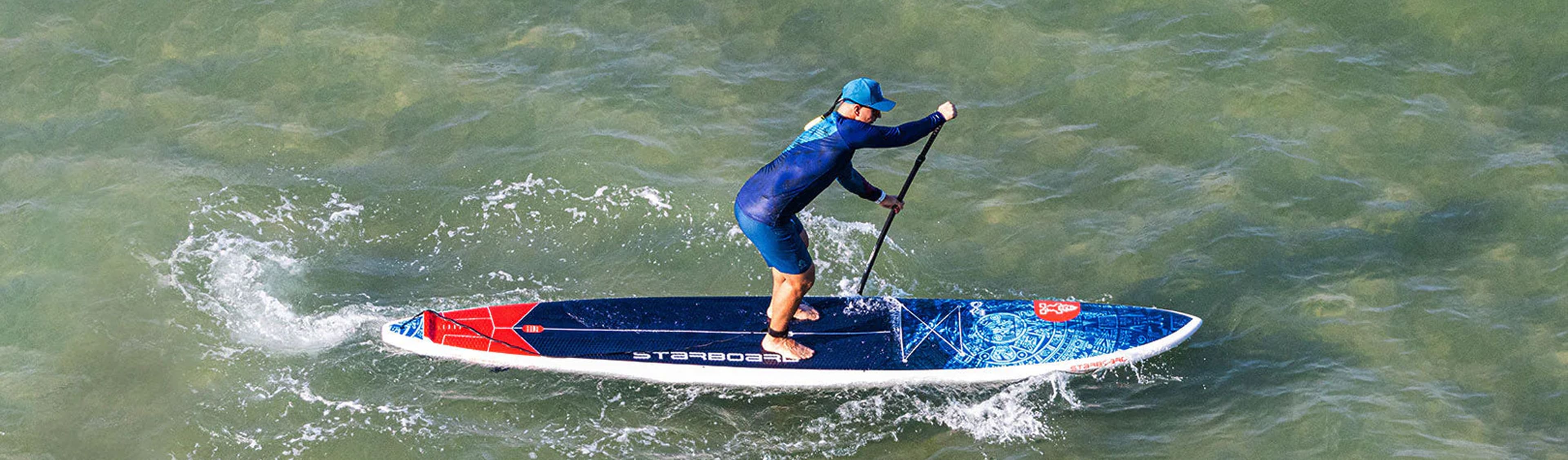
Start on calm, sheltered water with a stable beginner SUP, set your paddle about 15 to 20 cm above your height, and keep your stance centred with soft knees and eyes up. Wear a leash and a PFD, check the forecast, and stay close to shore if the wind picks up. Rinse your gear after each session.
New to stand-up paddleboarding? Learn how to paddle, balance, and gear up safely. A simple beginner’s guide to paddling in New Zealand from NZ Boardstore.
What Is Paddling?
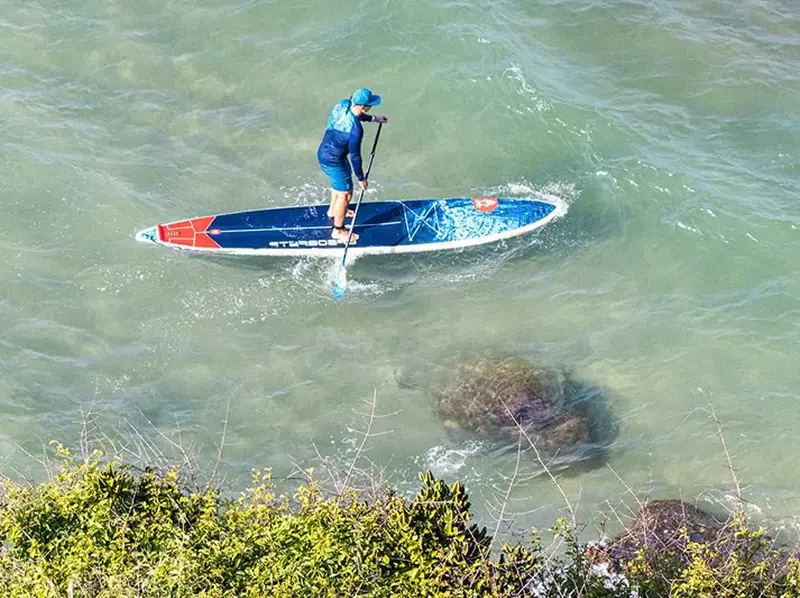
Paddling, in the context of stand-up paddleboarding (SUP), means using a paddle to move and steer your board through the water while standing upright.
It’s one of the easiest and most enjoyable ways to get out on the water - whether you’re exploring calm lakes, gentle surf, or coastal harbours.
Unlike kayaking or canoeing, stand-up paddling doesn’t require waves or a seated position. You stand on your board, use a single paddle with one blade, and use your body to create smooth, balanced strokes.
For beginners, it’s a low-impact, full-body workout that helps improve balance, coordination, and confidence on the water.
Why Start with Stand-Up Paddleboarding?
Stand-up paddleboarding (SUP) is perfect for beginners because you don’t need waves, speed, or experience to enjoy it. It’s low-impact, easy to learn, and a great way to spend time outdoors.
At NZ Boardstore, most first-time paddlers start with All-Round SUPs or Longboard-style SUPs - these provide excellent stability and are ideal for lakes, harbours, and light coastal paddling.
How to Hold and Use a Paddle Correctly
Before you step on the board, make sure you’re holding your paddle the right way - it makes every stroke easier and more efficient.
Grip & Stance
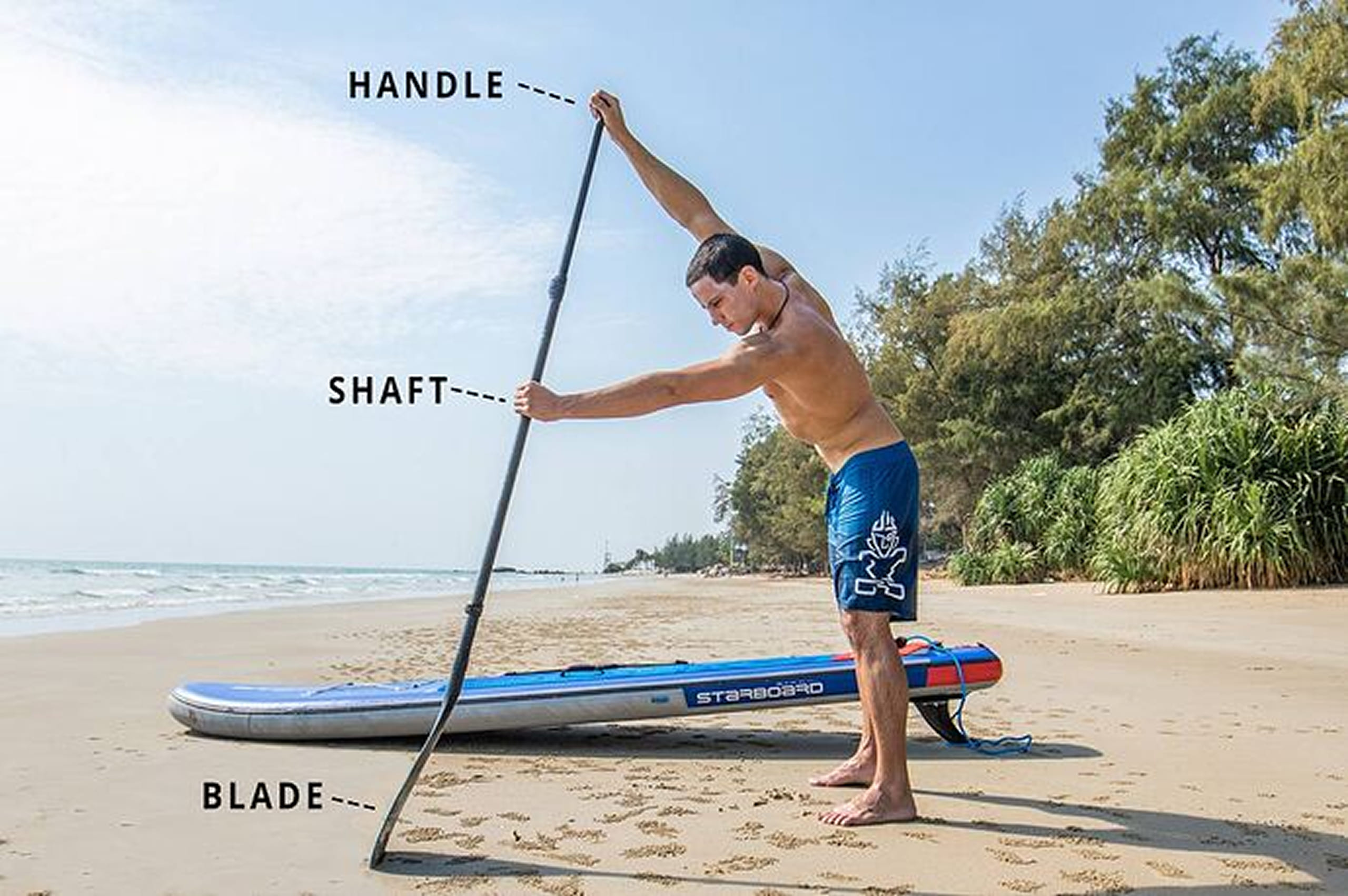
- Hold the top handle with one hand and the shaft with the other.
- Paddle: Adjustable paddles are best for beginners - set the height around 20 cm above your head.
- Safety Leash: Keeps your board attached to you if you fall.
- Lifejacket (PFD): Carry a correctly fitting, approved lifejacket/PFD. Wear it whenever conditions increase risk (wind, current, cold water, surf). Local bylaws can require lifejackets to be worn in some areas, so check regional council rules before you launch.
- Sun Protection: Always wear sunscreen and a hat - NZ’s UV is strong.
Choosing Your Paddle
- Adjustable paddles are best for beginners - set the height about 20 cm above your head.
- Fixed carbon paddles offer better stiffness and performance once you’re confident.
Step-by-Step: How to Paddle for the First Time
You don’t need lessons to get started - just follow these four simple movements:
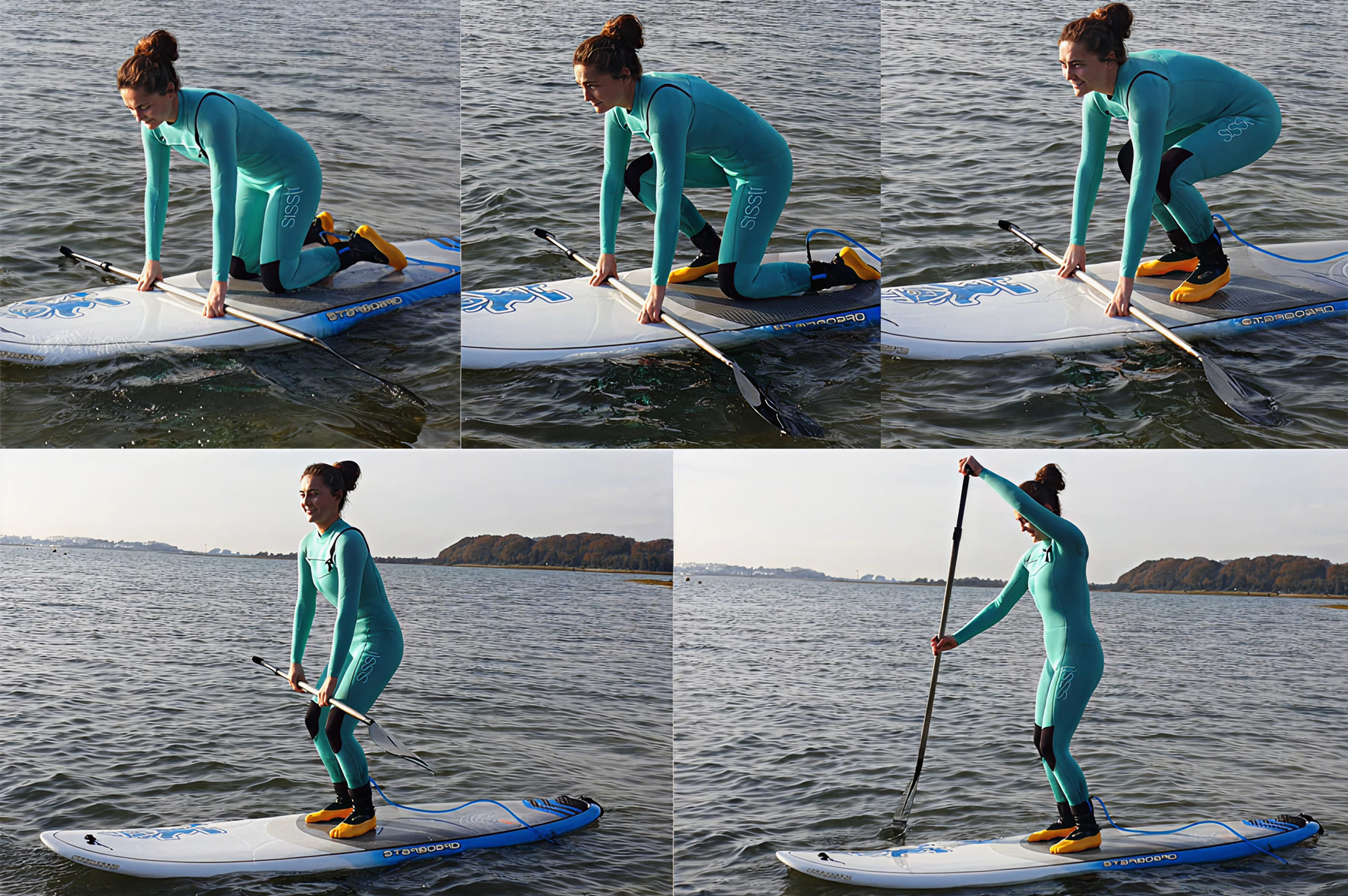
1. Set Up
Stand with your feet shoulder-width apart in the middle of the board. Hold the paddle with one hand on the top (handle) and the other on the shaft.
2. Catch
Reach forward and place the paddle blade fully into the water vertically for more control.
3. Drive
Pull the paddle back towards your ankle using your core and shoulders to move forward efficiently.
4. Exit
Lift the paddle out once it reaches your hip and repeat on the other side. Keep your eyes forward to maintain balance.
Most beginners find balance within one or two sessions. Practising in calm water makes the process easier and safer.
Choosing the Right Paddle: Types & Tips for Beginners
Your paddle is your engine on the water - it defines how smoothly and efficiently you move.
At NZ Boardstore, we stock a variety of SUP paddles built for different riders and conditions.
| Paddle Type | Description | Best For | Example |
|---|---|---|---|
| Adjustable Paddle | Easy-to-change length - great for sharing or travel. | Beginners / families |
|
| Fixed-Length Carbon Paddle | Lightweight, custom-cut to your height for max power. | Regular paddlers / racers | 2025 Starboard Enduro Carbon Paddle 29 mm F40 |
| Foil-Specific Paddle | Stiffer blade for higher speed and precision. | Foil riders | 2025 Starboard Foil Blade Carbon 2PCS Adjustable F35 Type II |
Tip: Your paddle should be ~20 cm taller than you for flat water, slightly shorter for surf paddling.
Common Paddling Mistakes (and How to Fix Them)
Even simple corrections can make you more stable and efficient.
| Mistake | Fix |
|---|---|
| Looking down at your feet | Keep your eyes forward for balance |
| Bending at the waist | Use your legs and core instead |
| Pulling only with arms | Engage your shoulders and torso |
| Wrong paddle angle | Blade should face forward, not backward |
| Standing too far back | Stand over the handle area (center of board) |
Safety & Quick Tips for Beginners
- Start in calm, waist or chest-deep water with a wide, stable board.
- Avoid windy conditions until you’re confident.
- Always wear a leash. Carry a PFD and wear it whenever conditions increase risk or local rules require it.
- Learn how to fall safely - away from the board, not on it.
- Keep hydrated and wear sun protection.
- Rinse your gear with fresh water after every use.
-
How Much Does a SUP Setup Cost?
A complete beginner SUP set-up - including board, paddle, and leash - can vary a lot depending on the board type and paddle quality.
A complete beginner SUP set-up, including a board, paddle and leash, can vary depending on the type of board and the paddle you choose. At NZ Boardstore, premium SUP boards sit around NZ$2,000 to NZ$3,000, so a basic set-up often lands around NZ$2,500+ once you add a paddle and leash. Hard boards can sometimes be available from around NZ$999 on sale, while higher-end boards can cost more.
Very low-cost SUP packages from unknown brands can be less stiff and durable, and may come with weaker warranty support. NZ Boardstore is New Zealand owned and operated, and their gear experts can help you choose the right set-up with local support.
Not ready to buy yet?
You can rent a SUP from NZ Boardstore to try paddling first and get a feel for what suits you best.
Frequently Asked Questions
Q1: What’s the easiest way to learn paddling?
Start in calm, shallow water. Practise kneeling and short paddle strokes before standing up fully.
Q2: Which paddle size do I need?
Adjustable paddles are ideal - your paddle should be roughly 20cm taller than you.
Q3: Can I paddle in the ocean as a beginner?
Yes, but only on calm days. Avoid strong currents and big surf until you’re experienced.
Q4: How much should I expect to spend on quality gear?
Expect NZ$2,000 and above for a solid quality board + paddle setup, with premium carbon/lightweight option.